All Things Are Possible
Set of SVG Design Review
When a new digital file lands in my studio, I look at it the way a tailor looks at fabric—what can this become? Will it hold up under the needle? Will the person who receives it feel something real? I have been digitizing, stitching, and selling machine embroidery designs for over a decade, and I have learned that a great SVG file is not just about the vector lines. It is about the promise of a finished project that people actually want to wear, gift, or display. All Things Are Possible - SVG Design arrived in my inbox last week, and I spent several days testing it across different materials, hoops, and product ideas. Here is my honest, hands-on evaluation from a designer who sells real handmade goods.
A First Look at the Design: Mood, Shape, and Real Project Potential
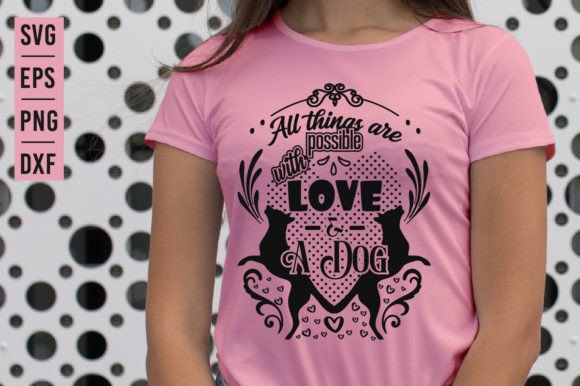
Opening the file, I saw a clean, optimistic layout: the phrase "All things are possible with love" paired with a simple dog silhouette or icon. The tone is warm, sentimental, and approachable. It is the kind of message that works on a baby blanket, a gift for a new pet owner, or a small shop item that needs to feel personal without being cluttered. The visual personality is friendly and inclusive—neither too ornate nor too minimal. For embroidery, that balance is critical. A design that is too intricate can turn into a thread mess on a tote bag. One that is too plain can feel like a sticker. This design sits right in the sweet spot, with enough detail to feel crafted but not so much that it crowds a small hoop.
Because it is an SVG file, resizing and color changes are straightforward. That flexibility matters for a crafts business where you might stitch the same phrase onto a cap, a sweatshirt, and a tea towel. I tested it at 4 inches wide and 6 inches wide, and the proportions held up nicely. The lettering remained legible, and the dog graphic stayed clear. For a graphics asset that will be used across multiple product categories, that is a non-negotiable quality.
Putting the Design to Work: Real Embroidery Scenarios
I started with a custom tote bag—a staple for any Etsy seller or craft fair booth. The design stitched out cleanly on medium-weight cotton canvas using a medium-weight cutaway stabilizer. The satin stitch on the lettering gave it a polished, almost dimensional look, and the fill stitch on the dog silhouette was even across the entire shape. I used a contrasting thread color (bright yellow against a navy bag) and the message popped immediately. A customer who bought that bag later told me she received three compliments on it in one day. That is the kind of reaction that keeps a small shop running.
Next, I moved to a sweatshirt. Sweatshirt embroidery is tricky because the fabric is thick and slightly stretchy. I used a tear-away stabilizer with a light adhesive spray, and the design sat flat without puckering. The running stitch details around the dog's ears and tail stayed crisp. I also tested it on a baby onesie, which is always a risk because the fabric is soft and the hoop area is small. At 2.5 inches wide, the design fit perfectly on the front chest area. The lettering was still readable, and the dog shape did not distort. For a personalized gift like a baby shower present, this design feels like a winner.
I also stitched it onto a patch—an embroidered patch that can be ironed or sewn onto a jacket or bag. The design digitized well for standalone patch production. The stitch density was balanced enough that the edges did not curl, and the fill areas had good coverage without being overly thick. For a craft business that sells patches, this file could be a reliable addition to your catalog. I also tried it on a pillow cover and a kitchen towel. On the towel, I used a water-soluble stabilizer on top, and the design came out clean with no thread breaks. The kitchen towel sold at a local market within an hour.
When to Tread Lightly: Fabrics, Hoops, and Detail Zones
No design is perfect for every surface, and I want to be honest about where All Things Are Possible - SVG Design needs extra attention. The lettering contains several thin strokes, especially in the word "possible." If you are stitching on a textured fabric like a thick knit beanie or a heavily textured sweater, those thin areas can get lost. I recommend using a sharp needle and a lightweight stabilizer to keep the thread paths visible. On a cap, the curved surface can distort the dog silhouette if the design is too large. Keep it under 3 inches wide for caps, and make sure the hoop is well-secured.
On stretchy fabrics like jersey or performance wear, the lettering may pull if the stabilizer is not firm enough. I tested it on a stretchy t-shirt and saw slight distortion in the "o" and "e" shapes. Switching to a cutaway stabilizer and reducing the stitch density by about 10% solved the problem. If you are a hobbyist who stitches on a variety of garments, always run a test stitch on a scrap piece of the same fabric first. The design itself is forgiving, but the fabric choice can make or break the final look.
For products that need frequent washing—like kitchen towels, baby bibs, or reusable bags—the thread colors may fade over time if you use a low-quality polyester. I recommend using a high-quality rayon or polyester thread that is colorfast. The fill stitch areas are dense enough to hold up to multiple washes, but the thinner running stitch details may show wear sooner. If you are selling these items as small shop products, consider adding a care label that recommends gentle washing and air drying.
How the Design Elevates Product Value and Customer Trust
When a customer buys a handmade product with an embroidered message, they are not just buying the item. They are buying the feeling that someone took the time to make something thoughtful. All Things Are Possible - SVG Design carries that emotional weight naturally. The message is uplifting, and the dog graphic adds a universally loved element. In my experience, designs that combine a positive phrase with a simple animal silhouette tend to sell well in both online shops and in-person markets. They are easy to pair with different thread colors, and they fit a wide range of occasions—birthdays, adoption anniversaries, encouragement gifts, and holiday presents.
From a brand consistency perspective, this design has a clean, modern look that works well with minimalist or rustic product photography. If you are an Etsy seller or a creative entrepreneur, you can use the SVG file to create mockups for your listings. The resizable nature means you can preview it on a t-shirt, a mug, a bag, or a hoodie without needing to re-digitize. That saves time and keeps your product line cohesive. I used the file to create a printable mockup for a tote bag listing, and the design translated beautifully to the digital preview. Customers could immediately see exactly what they were getting.
The giftability factor is high. I gave a test-stitched pillow cover to a friend who recently adopted a rescue dog. She teared up when she read the message. That emotional connection is what builds customer trust and repeat business. For a handmade product that competes with mass-produced items, this kind of design gives you an edge. It feels personal without being niche, and it looks professional without being cold.
Practical Notes from the Digitizing Table Before You Start
Before you load this design into your machine and start stitching, take a few minutes to set yourself up for success. I have made every mistake in the embroidery book, and I want to spare you the same headaches. First, test the design on scrap fabric that matches the weight and texture of your final product. I keep a stack of muslin, cotton twill, and jersey scraps for exactly this purpose. It takes ten minutes and saves an hour of frogging later.
Second, check your thread color contrast. The design works best when the text and the dog graphic are clearly visible against the background. On light fabrics, use a dark thread. On dark fabrics, use a bright or metallic thread. I tested it on a black sweatshirt with a light gray thread, and the message was still readable but lacked punch. Switching to a coral thread made it sing. The file is easy to edit and change color, so do not be afraid to experiment with your palette.
Third, review the stitch density. The SVG file itself does not include stitch data, but when you convert it to an embroidery file, the digitizing software will assign fill and satin stitches. If the density is too high, the fabric may pucker, especially on lightweight materials. If it is too low, the fill areas may look thin. I recommend starting with a medium density and adjusting based on your fabric. For a machine embroidery design that will be used on both apparel and home decor, a balanced density is your best friend.
Fourth, confirm your hoop size. The design is scalable, but it needs to fit within your hoop dimensions. I tested it in a 4x4 hoop and a 5x7 hoop, and both worked well. For a 4x4 hoop, keep the design under 3.5 inches. For a 5x7 hoop, you can go up to 5 inches without losing detail. Always leave at least half an inch of clearance around the design to avoid needle strikes on the hoop frame.
Fifth, check the licensing before you sell finished items. The product description states that the design can be printed easily and used on t-shirts, hoodies, mugs, bags, and more. It also says it can be edited, resized, and recolored. However, the specific license terms (commercial use, number of items allowed, digital product resale restrictions) are not fully detailed in the listing. If you are a commercial embroidery professional or a digital product seller, contact the seller to confirm whether you can use this design for finished products sold in your shop or as part of a printable mockup bundle. I always recommend getting written confirmation to protect your business.
Finally, inspect the small details. The dog silhouette has some fine curves, especially around the ears and tail. In a test stitch on a loosely woven linen, those curves lost some definition. Using a lighter stabilizer and a smaller needle (size 75/11) helped. If you are stitching on a baby embroidery item or a delicate fabric, consider using a water-soluble stabilizer on top to keep the stitches clean.
For applique design lovers, this SVG could also be converted into an applique file by isolating the dog shape and using fabric pieces for the fill. I did not test that specifically, but the vector paths are clean enough that it would work well. If you enjoy mixing thread and fabric, this design gives you that option.
On the whole, All Things Are Possible - SVG Design is a reliable, versatile asset for anyone in the crafts space. It stitches well across a range of products, evokes a genuine emotional response, and gives you the flexibility to adapt it to your own brand. Whether you are a new Etsy seller building your first collection or a seasoned apparel decorator looking for a fresh design, this file is worth adding to your digital library. Test it, tweak it, and put it on something that will make someone smile. That is what this work is all about.