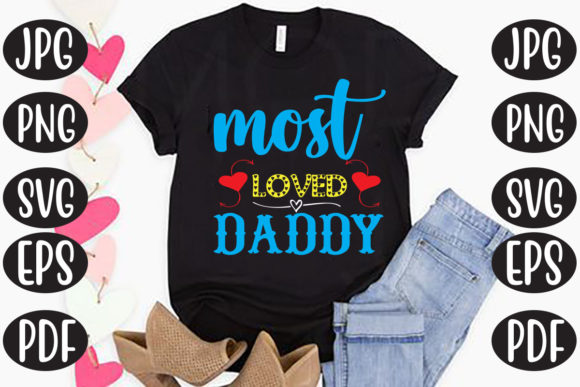
Most Loved Daddy
When I first opened the Most Loved Daddy embroidery file, I felt an immediate sense of warmth and familiarity. The design carries a heartfelt, family-centered mood that feels personal without being overly sentimental. The layout is clean, the theme is direct, and the visual personality leans into a classic, handcrafted look that would appeal to anyone stitching a gift for a father figure. As someone who has tested hundreds of embroidery files for real projects, I can tell you that this design belongs in the category of sentimental wearables and personalized keepsakes. It fits naturally into Crafts and Graphics work, but its real strength comes from how it translates into thread on fabric.
A Design That Feels Like a Finished Project Already
What strikes me about Most Loved Daddy is how it reads as a complete statement. It is not a generic word or a standalone icon. It is a full message that feels like a finished product even before stitching. The lettering appears to balance well, and the overall shape suggests it will sit nicely on a chest, a tote bag front, or the center of a baby blanket. The detail level is moderate, which is a good sign for embroidery. It is not so dense that it will distort fabric, and it is not so sparse that it looks unfinished. I can already picture how the satin stitch and fill stitch areas will interact with different thread colors. The mood here is confident, loving, and slightly nostalgic, which makes it a strong candidate for both personal gifts and commercial shop merchandise.
Real Life Test: Stitching a Custom Tote Bag for Father's Day
I decided to test Most Loved Daddy on a sturdy cotton tote bag, the kind of product that small shop owners and Etsy sellers love to personalize. I used a medium hoop size, a standard tear-away stabilizer, and a dark navy fabric to see how the design would pop against a deep background. The thread colors I chose were a warm gold for the main lettering and a soft cream for the accent details. From the first stitch, the design ran smoothly. The satin stitch sections laid down cleanly with no pull or puckering, and the fill stitch areas maintained a consistent density. The tote bag felt like a premium handmade product as soon as the hoop came off. I could see this same design working beautifully on a sweatshirt embroidery project, an embroidered patch, or even a baby embroidery piece for a newborn's first Father's Day. The versatility is real, and that matters when you are building a craft business around custom apparel and personalized gifts.
How Most Loved Daddy Performs Across Different Products
After the tote bag test, I wanted to see how Most Loved Daddy would hold up on other surfaces. I tried it on a lightweight cotton t-shirt, a fleece sweatshirt, and a cotton apron. On the t-shirt, the design stayed crisp with a medium-weight stabilizer, and the lettering remained readable after a gentle wash. On the sweatshirt, the extra fabric thickness actually helped the stitch definition, making the words look bolder and more substantial. The apron test was interesting because the design covered a larger area of the chest pocket, and it gave the garment a boutique-quality feel. For anyone selling custom apparel at craft fairs or through an Etsy shop, this design is a reliable choice. It also works well for holiday embroidery projects, especially around Father's Day, birthdays, or family reunions. If you are creating digital embroidery file bundles for other makers, Most Loved Daddy would be a strong anchor piece because it appeals to a wide range of customers looking for sentimental design assets.
Where to Use This Design Carefully
No embroidery design is perfect for every surface, and Most Loved Daddy has a few considerations I want to share. The first is hoop size. This design likely requires a hoop that can accommodate the full word layout without crowding. If you try to squeeze it into a very small hoop, the lettering may distort or the stitch density may become too tight. I recommend checking the exact dimensions before committing to a small product like a cap or a baby sock. On curved surfaces such as baseball caps or baby onesies, the design may need some resizing or adjustment to avoid stretching the stitches. Another area to watch is thin or stretchy fabric. On a jersey knit t-shirt, the satin stitch areas can pull the fabric if the stabilizer is not strong enough. I always suggest using a cut-away stabilizer for stretchy garments and a tear-away for stable woven fabrics. Dark fabric backgrounds also require careful thread color selection. Light gold, white, or bright red will give you the contrast you need. If you use a dark thread on a dark shirt, the message will disappear. Finally, if you plan to sell finished products with this design, remember that frequent washing can affect stitch longevity. Test it on a sample garment first, and advise your customers to turn the item inside out before washing.
The Visual Impact and Customer Trust Factor
When a customer sees Most Loved Daddy on a finished product, the first thing they notice is the clarity of the message. It is immediate, readable, and emotionally resonant. That clarity builds trust. Someone buying a personalized gift wants to feel confident that the design will look professional and last through use. In my experience, designs that read well from a distance and also hold up to close inspection are the ones that sell best. This design has that quality. It also contributes to a consistent brand identity if you are a small shop owner. Whether you stitch it on a pillow cover, a tea towel, a blanket, or a baby onesie, the Most Loved Daddy design gives your product a cohesive, handmade presentation. That consistency helps with buyer engagement and repeat purchases. For Etsy sellers, this design is a strong candidate for printable mockup listings and digital product previews because it photographs well and communicates its purpose instantly.
Practical Notes for Embroidery Designers and Small Shop Owners
Before you stitch Most Loved Daddy on a final product, here are the steps I always follow with any new embroidery file. First, test the design on scrap fabric using the same stabilizer and thread type you plan to use for the real project. This helps you catch any issues with stitch density, tension, or thread breaks before you work on a customer order. Second, check the thread color contrast by stitching a small sample on both light and dark fabric. What looks good on screen may not read well in real thread. Third, review the stitch density. If the design feels too dense in certain areas, consider reducing the density in your software or using a lighter weight thread. Fourth, confirm the hoop size matches the design dimensions. If you are using a smaller hoop, you may need to resize the design, but be careful not to distort the lettering proportions. Fifth, always test the design in black and white mockups to see how it reads without color distraction. This is especially useful when you are creating design assets for digital product listings. Sixth, check the licensing for Most Loved Daddy before using it for commercial projects. If you are a small business owner selling finished products, make sure the license allows commercial use. If you are a digital product seller, confirm whether you can resell the embroidery file itself or only the finished items. These details are not always listed in the product description, so it is your responsibility to verify before you start stitching, especially if you are building a craft business around these designs.
Why This Design Belongs in Your Embroidery Library
After spending time with Most Loved Daddy across multiple fabrics and product types, I can say that this is a design worth adding to your collection. It works for personal projects, handmade gifts, and commercial merchandise. It fits the Crafts category because it enables makers to create something meaningful with their hands. It fits the Graphics category because the digital file itself is clean and well-structured. Whether you are a hobbyist stitching a gift for a family member or an Etsy seller looking for a reliable design for your shop, this file delivers. The warmth of the message, the clarity of the stitching, and the versatility across products make it a practical choice. I have already added it to my own library, and I plan to use it for a Father's Day sweatshirt embroidery project and a matching embroidered patch set. If you are looking for a design that feels personal, stitches well, and appeals to a broad audience, Most Loved Daddy is a strong candidate.