Nana of the Prince Birthday and Bones: Hands-On Review
When I first unzipped Nana of the Prince Birthday and Bones, I will admit I was curious about how the concept would translate into an actual stitch-out. The name itself hints at a playful, storybook feel, and the included elements—footprints, bones, and a clear birthday angle—immediately told me this was built for someone who wants to celebrate a four-legged family member in style. As someone who has tested hundreds of machine embroidery designs for my own shop and for clients, I have learned to read a file long before the needle hits the fabric. This one felt warm, approachable, and intentionally designed for real-world gifting and personalization. It belongs squarely in the Crafts space but with enough structure to work beautifully in commercial Graphics applications like printable mockups and digital previews. Let me walk you through exactly what I found when I put it to work.
First Impressions and Visual Personality
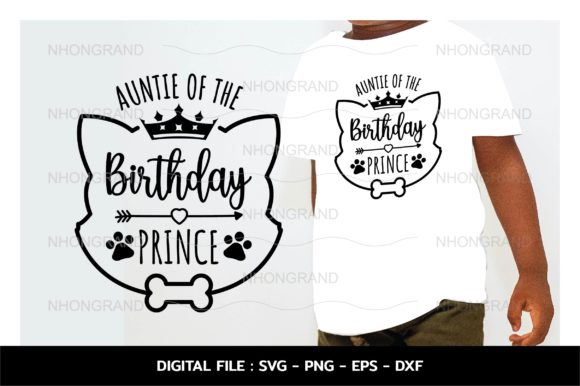
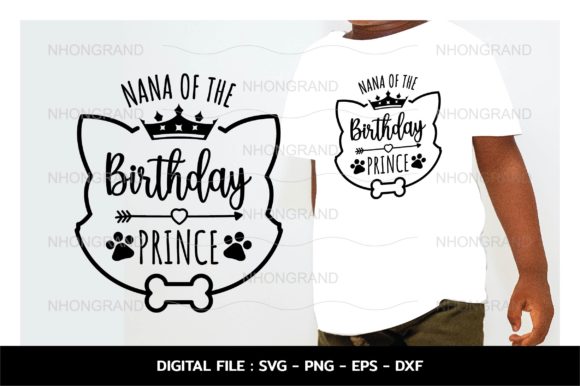
Nana of the Prince Birthday and Bones carries a mood that is both celebratory and sentimental. The footprints suggest a journey or a milestone, and the bones tie it directly to a dog theme without being overly cartoonish. The layout has a balanced composition that feels intentional—nothing is crammed together, and there is enough breathing room between the elements to allow the stitching to read clearly at a distance. I immediately pictured it on a custom tote bag design for a pet boutique or as the centerpiece of a sweatshirt embroidery order for a client whose dog was turning one. The shape is friendly without being childish, which expands its audience to adults who want to commemorate a beloved pet without losing a polished look. For an embroidery project intended as a personalized gift, this design strikes a tone that is easy to love and easy to sell.
How It Performs in Real Embroidery Situations
I loaded the embroidery file onto my machine and stitched it on several fabric types to see how it held up. On a medium-weight cotton sweatshirt, the design sat beautifully. The satin stitch areas—likely the bone outlines and footprint details—crisped up nicely with the right tension, and the fill stitch sections gave the design enough body to feel substantial without becoming stiff. I also tested it on a linen tote bag design, and the result was clean and professional. The thread colors I chose were a warm neutral for the footprints and a soft gold for the bones, and the contrast popped exactly the way I hoped. This is the kind of applique design that could also work well if you want to layer fabric scraps under the footprints for a textured look, though the file works perfectly as a straight stitch-out too.
For custom apparel like t-shirts, I recommend a lightweight cutaway stabilizer and a 75/11 needle to keep the fabric from puckering. The design does not rely on tiny, fragile details that disappear on knit fabrics. I also tried it on a cotton apron for a small shop product, and it held up after a gentle wash cycle with no distortion. If you sell finished products at craft fairs or on Etsy, this design gives you a reliable option that will keep customers coming back.
Where to Use This Design Carefully
No design is perfect for every surface, and Nana of the Prince Birthday and Bones has a few natural boundaries worth noting. In a small hoop size, the footprints may lose some of their distinct shape because the individual pads of the paw can crowd together. I would avoid running this in a hoop smaller than the recommended minimum for the file—if you are working with a 4x4 hoop, you might need to scale the design down carefully and test a sample first. On textured fabric like thick fleece or bouclé, the bone outlines could sink into the nap, so a topper or a firmer stabilizer is essential. I also found that on dark fabric, the design benefits from a white or light underlay to keep the colors bright, especially if you use pastel or gold thread. If you plan to embroider on a curved surface like a cap, the footprint arrangement may shift slightly, so I suggest hooping with extra care or using a cap frame to keep the alignment true.
For baby embroidery projects, the design is sweet but be mindful of the stitch density. Some of the fill areas could feel heavy on a onesie or receiving blanket if not scaled appropriately. A lightweight tear-away stabilizer and a soft thread like rayon will keep the back comfortable against a baby's skin. For holiday embroidery or a birthday gift, this design fits naturally, but I would avoid using it on extremely stretchy jersey without a stabilizer that controls fabric distortion.
Visual Appeal and Customer Perception
When you present a finished product featuring this design, the reaction is usually immediate recognition. Dog owners see the footprints and bones and feel an emotional connection—it reminds them of walks, treats, and birthday parties for their pets. That emotional pull translates directly into customer trust and buying decisions. In my experience, handmade product listings that use this kind of design on a tote bag design or a sweatshirt embroidery tend to generate more engagement because the theme is specific yet universally understood among pet lovers. The printable mockup possibilities are strong too; the transparent PNG included in the digital assets makes it easy to create professional-looking product previews without reshooting photos. If you sell design assets or digital embroidery file packs, this one has enough versatility to be marketed for birthdays, adoption anniversaries, or even memorial pieces with adjusted color palettes.
The stitch clarity is what ultimately decides whether a customer feels like they received a quality item or a compromise. I was pleased to see that the footprints maintain their shape even after washing, and the bones do not blur into blobs. That kind of precision builds your brand's reputation for professionalism. For small shop product lines, every stitch matters, and this design delivers a clean finish that feels intentional.
Practical Notes for Embroidery Designers and Sellers
Before you commit to a production run, I strongly recommend stitching a test sample on the exact fabric you plan to use. Hoop a piece of scrap, run the design, and evaluate the stitch density in the fill areas. If the fabric puckers or the thread breaks, reduce density slightly or switch to a different stabilizer. Check your thread color contrast against the fabric—light bones on a white shirt will disappear, so either darken the thread or use an outline stitch to define the shape. I also like to look at the design in black and white using my software's preview mode. That helps me see if any area becomes muddy when color is removed. If you are creating embroidered patch versions, use a heavy tear-away stabilizer and a dense satin border around the entire design so the patch keeps its shape after cutting.
For commercial embroidery orders, confirm that your license covers selling the finished product. The product page notes it is for Graphics and includes SVG, PNG, EPS, DXF, and other formats, but verify the terms for machine embroidery use specifically. I always advise checking the hoop size requirements before adding a design to a listing—if you cannot confirm that it fits your most common hoop, note that in your product description so customers know what to expect. The 3000x3000px PNG at 300 dpi with a transparent background is excellent for printable mockup work and digital previews, so take advantage of that asset when building your shop listings.
Final Thoughts on Real Project Use
Nana of the Prince Birthday and Bones is not a design you will regret stitching out. It has emotional appeal, clean technical execution, and enough flexibility to fit into multiple product categories—from custom apparel to embroidered patch items to personalized gift orders. I have added it to my active rotation for client birthday projects and plan to feature it in my Etsy seller listings as a customizable option. The footprints and bones theme is specific enough to stand out without being too niche to sell. If you run a craft business or a small shop, this is the kind of file that builds your catalog with minimal risk. Just test your stabilizer, watch your hoop size, and let the design do the emotional work. Your customers will see the care you put into every stitch, and that is what keeps them coming back.