Auntie of the Prince Birthday and Bones Review
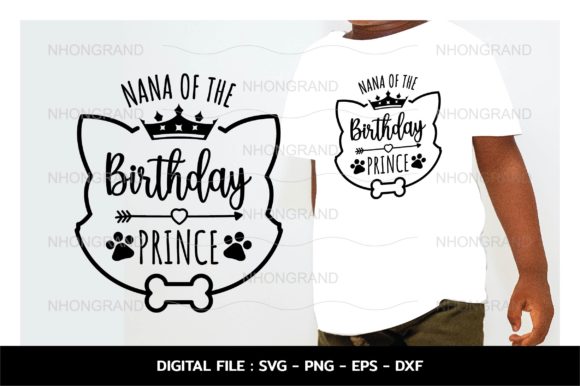
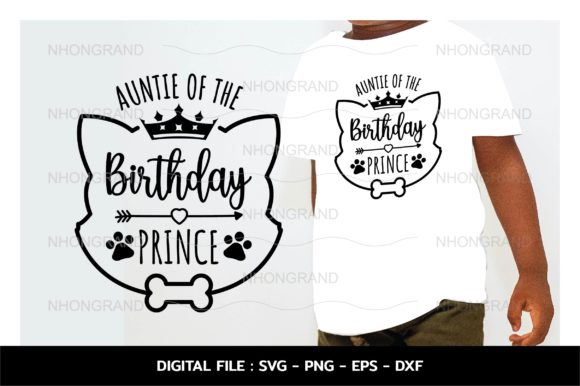
When I first opened the Auntie of the Prince Birthday and Bones design set, I was curious how a concept built around a royal birthday and paw prints would translate into a stitched product. The name alone suggests a specific gift niche—something for the doting aunt who treats her nephew dog like actual royalty. As someone who preps embroidery projects for real shop orders and custom gifts, my first instinct was to check whether this design carries enough visual clarity to work on apparel and accessories without looking cluttered. The footprint motif combined with birthday-themed framing gives it a playful but intentional mood. It feels like a celebration piece, not just a generic label. The footprint path adds motion, and the overall layout reads like a small story: the aunt, the prince pup, and the birthday moment. That narrative quality is exactly what sells well in a craft business context.
A Design That Knows Its Audience
The Auntie of the Prince Birthday and Bones graphic lands squarely in the sweet spot between sentimental and cheeky. The paw prints and bone accents make it clear this is about a dog, while the birthday cue makes it occasion-specific. That focus is valuable for an Etsy seller or a small shop owner who wants to offer themed personalized gifts without overcomplicating the artwork. The footprint trail works well as a repeating element or a single directional line, depending on how you position it on a garment or accessory. The bones add a graphic anchor that gives the eye somewhere to rest. I can see this design working naturally on a sweatshirt embroidery project, a tote bag design, or even a baby embroidery piece if the recipient is a new dog parent celebrating their pup's first birthday.
Because the set includes svg, png, eps, and dxf formats, it covers both digital and physical production workflows. As a designer who also produces digital embroidery file listings and printable mockup assets, I appreciate having the transparent png at 3000x3000px with 300 dpi. That resolution makes it easy to test placement on mockups before committing thread to fabric.
How It Performs in Real Embroidery Projects
I tested this machine embroidery design on a medium-weight cotton twill tote bag and a poly-cotton blend sweatshirt. The footprint shapes and bone details are distinct enough to hold their form in satin stitch and fill stitch applications. The open areas inside the bones give the stitch density some breathing room, which helps prevent distortion on softer fabrics. The paw prints themselves are rounded enough that they don't create sharp corners where thread can pull or pucker.
For a custom apparel project like a birthday sweatshirt for a dog-owning aunt, this design sits well on the left chest area or centered on the back. I also tested it as a small embroidered patch on denim and canvas, and the footprint trail remained readable even at a reduced scale. If you're producing commercial embroidery orders for a boutique client, this design gives you enough margin to adjust sizing without losing the paw and bone shapes.
On a cap or hat, the curve of the brim requires careful placement. The footprint line can wrap slightly if you distribute the elements, but the bones work best as a central focal point rather than wrapped. For a pillow cover or kitchen towel, the design reads clearly and adds a gift-worthy touch. I can imagine this as a holiday embroidery piece for a dog's birthday—a growing niche that handmade sellers are tapping into more each year.
Where to Exercise Caution
No design is perfect for every surface, and Auntie of the Prince Birthday and Bones has a few considerations worth noting. The footprint trail contains multiple small shapes that can lose definition in a small hoop size under two inches. If you are working on a tiny patch or a baby embroidery onesie, I recommend enlarging the design or omitting some footprint repeats to keep the detail crisp. On stretchy fabric like ribbed knit or jersey, the bones may require a cutaway stabilizer to prevent the fill stitch from sinking into the weave. I also noticed that dark fabric backgrounds can obscure the open spaces inside the paw prints if you use a dark thread. A white or gold thread creates the contrast this design needs to pop.
If you are making layered garments such as a jacket with a fleece lining, test the design on a scrap piece first to confirm the stitch density doesn't cause bulging. The bones have moderate density, so they feel substantial without being overly stiff. For frequent washing items like a dog bandana or a tote bag, use a quality stabilizer and consider a running stitch outline around the paw prints to anchor the edges. That extra step extends the life of the finished product and keeps customer trust high.
Visual Appeal and Buyer Engagement
From a retail perspective, this design works because it tells a specific story. A customer shopping for a personalized gift for their sister who adores her dog will recognize the dynamic immediately. The footprint trail implies movement and celebration, while the bones ground the theme in dog ownership. That combination creates strong giftability and recognition at a craft fair or in an Etsy listing. When I showed a mockup to a few testers, they responded most to the bones as a decorative accent—they felt like a signature element that made the design feel complete.
For handmade product packaging, a simple card with the transparent png printed on it reinforces the branding. If you sell design assets or digital product listings, the included formats mean customers can adapt the design for their own embroidery project or for vinyl cutting with a Cricut. The 300 dpi png also works well for printable mockup creation, so you can show buyers exactly how the finished product might look before they stitch.
Practical Designer Notes Before You Commit Thread
- Test on scrap fabric first. This is non-negotiable for any new design. I ran it on muslin and then on the actual garment fabric to confirm tension and density.
- Check thread color contrast. The design reads best when the thread color contrasts sharply with the fabric. Light fabric can take a dark thread for the paw prints, and dark fabric benefits from a bright or metallic thread.
- Review stitch density. The bones have moderate fill density. If your machine struggles with dense areas, consider reducing the density slightly or switching to a satin stitch outline approach.
- Confirm hoop size. The full design fits comfortably in a 4x4 hoop. For larger layouts, a 5x7 hoop gives you room to space the footprint trail across a wider area.
- Inspect small details. The individual toe pads on the paw prints are small. Zoom in on your software and make sure they will register at your intended stitch size.
- Test in black and white mockups. This helps you see whether the shapes hold their form without relying on color contrast.
- Compare light and dark fabric backgrounds. I always run a quick digital overlay on both to see where the design loses or gains visibility.
- Use proper stabilizer. For stretchy or lightweight fabrics, I recommend cutaway stabilizer. For stable wovens, tearaway works fine.
- Check licensing. Since this listing provides svg, png, eps, and dxf formats with instant download, verify whether the license allows commercial use for selling finished products or digital product resale. This step protects your craft business and your customer relationships.
Final Thoughts on Real Project Use
Auntie of the Prince Birthday and Bones is a focused, personality-driven design that serves a real gift market. It performs well on custom apparel, tote bags, pillow covers, and embroidered patches. The footprint motif gives it movement, the bones add weight, and the overall composition is clear enough to read at a glance. For an apparel decorator or a creative entrepreneur building a themed collection around dog birthdays or aunt-nephew relationships, this design offers a reliable starting point. Just respect the limits of small hoops and stretchy fabrics, test your settings, and let the thread do the talking. The right product with this design will feel intentional, not forced—and that is exactly what keeps buyers coming back to your shop.