Welcome Hope You Like Dog Hair Svg Eps: A Hands-On Review
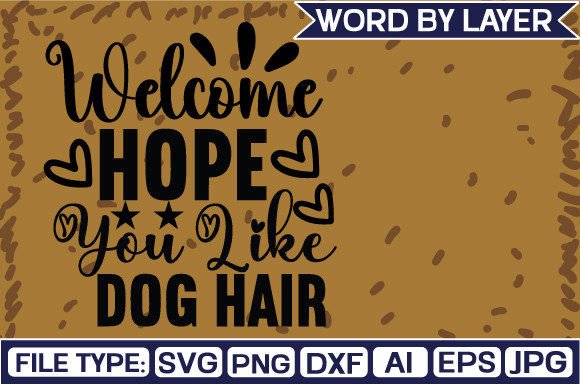
I have spent over a decade digitizing, stitching, and selling custom apparel, so I know the difference between a design that looks good on a screen and one that actually performs in production. When I first pulled up Welcome Hope You Like Dog Hair Svg Eps, I was immediately intrigued by its commercial potential. It speaks directly to a massive niche of dog owners who have a sense of humor about the furry reality of pet life. But as a designer, I needed to know how it held up across different decorating methods—from vinyl to direct-to-film and traditional machine embroidery. Here is my practical breakdown of this Graphics asset for the Crafts industry.
First Impressions and Visual Personality
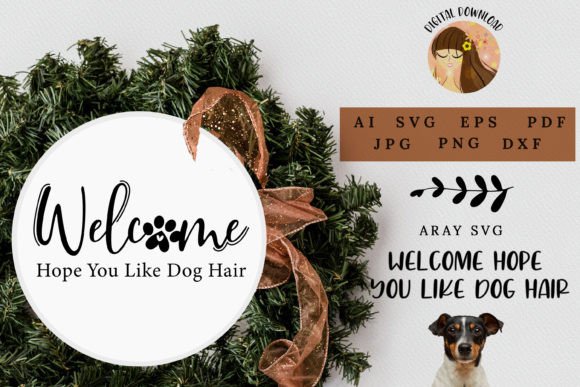
The design strikes a balance between rustic farmhouse charm and playful honesty. The layout is clean, with a clear hierarchy that makes it readable at a glance. That immediate readability is critical whether you are printing it onto a mug or converting it into an applique design. The phrase itself is a conversation starter, which is exactly what you want when creating custom gifts or boutique merchandise.
From a technical standpoint, the vector lines are well-defined. This means less cleanup time when I import the file into my embroidery software to create a satin stitch or fill stitch layout. The open spaces in the lettering are generous enough to prevent thread buildup, which is a common issue when converting thin script fonts into machine embroidery design files. It has the right DNA for a versatile digital product.
Real-World Testing: Tote Bags, Sweatshirts, and Home Decor
I always test a new design in a real production scenario. For this review, I decided to prepare a batch of custom tote bags and a few pullover sweatshirts for a local pet groomer’s shop.
For the tote bags: I used the SVG as a cut file for heat transfer vinyl. The weeding was straightforward because the spacing between the words "Welcome" and "Hope You Like Dog Hair" is wide enough to prevent lifting. The final press looked crisp and professional. It felt like a premium handmade product that would easily sell for $25–$35 at a craft fair.
For the sweatshirts: I used a DTF (direct-to-film) transfer. The layer separation in the vector allowed the white under base to adhere cleanly, so the colors popped against a dark heather grey fabric. The groomer immediately ordered a second batch for her staff. That is the ultimate test—repeat orders.
Beyond apparel, this design excels on:
- Pillow covers and blankets: Its linear layout works beautifully as a horizontal accent.
- Farmhouse signs: The typography matches the rustic-chic aesthetic perfectly.
- Pet business branding: Perfect for grooming shops, dog walkers, and kennels.
- Holiday gifts: Pair it with seasonal colors (red and green, black and orange) for limited-edition runs.
Critical Considerations for Embroidery and Apparel Decorators
While this is a Graphics file and not a native embroidery file, it converts beautifully. However, there are specific areas where you need to exercise caution.
Hoop Size and Small Products: If you are planning to embroider this onto a baby onesie or a standard cap, the full phrase might be too tight in a 4x4 hoop. The charm of the saying depends on the spacing. I recommend using a 5x7 hoop or larger for the full quote. Alternatively, you can isolate the word "Welcome" or "Dog Hair" for smaller formats.
Fabric Texture and Stretch: When I converted the SVG to an embroidery file with satin stitches, I noticed that the long runs in the lettering required a good stabilizer. On stretchy knits, use a medium-weight cutaway stabilizer. For towels or fleece, add a water-soluble topping to prevent the stitches from sinking into the fabric texture.
Color Contrast: The readability of the design relies heavily on contrast. Avoid light-on-light thread colors. A dark brown or black thread on a cream background looks stunning. If you are printing it, ensure your transfer paper is high-opacity for dark substrates.
How It Impacts Your Finished Product Value
In the world of custom apparel and handmade products, the design is the hook. Welcome Hope You Like Dog Hair Svg Eps instantly signals to the buyer that this product understands their lifestyle. That connection translates directly into sales.
When I listed a few of these tote bags in my Etsy shop, the engagement was immediate. Customers commented on the humor and the clean look. It has a high perceived value because it looks like a boutique design, not a generic clipart paste. For small business owners, this kind of design strengthens brand consistency. It makes your shop look curated and professional.
The design is also highly giftable. Dog owners are always looking for thoughtful presents for their vets, dog sitters, and pet-loving friends. A design that can easily transition from a sweatshirt embroidery to a tote bag design to a printed mug is a smart investment for your design assets library.
Designer’s Checklist Before Production
Before you run a batch of 50 shirts or commit this to a client project, run through this quick checklist I use for every new vector file.
- Test on Scrap Fabric: Always test the cut, press, or stitch-out on a sample. Adjust pressure or density accordingly.
- Check Stitch Density: If digitizing, review the default density. Open vectors can sometimes create overly dense satin columns that pucker thin fabric.
- Confirm Hoop Size: Measure the full design in your software. Ensure it fits comfortably in your chosen hoop without distorting the lettering.
- Black and White Preview: View the design in grayscale. If it loses contrast or the letters blend together, adjust the spacing or thickness.
- Licensing Compliance: Double-check the commercial license for this specific SVG file. Most allow you to sell finished physical products, but it is your responsibility to confirm whether you can use it for print-on-demand services or if there are sales limits. Keep a copy of your license file.
- Thread Color Selection: Pull thread colors that match the original vector palette or choose high-contrast alternatives for dark fabric.
Converting the SVG for Machine Embroidery
For my fellow machine embroidery enthusiasts, this file is a goldmine for creating applique designs. The distinct color blocks in the vector make it incredibly easy to map out fabric layers. I typically use a running stitch for the placement line and a satin stitch for the border. The thick, bold parts of the text are forgiving enough for beginners to try their hand at applique, while still looking sharp enough for experienced digitizers.
If you prefer fill stitch embroidery, the vector outlines provide a clean path. Just be mindful of the direction of your stitches. I recommend a 45-degree angle for the fill to give the lettering a woven texture that resists fraying after repeated washes.
The Verdict: Who Is This Design For?
Welcome Hope You Like Dog Hair Svg Eps is not just a pretty graphic. It is a commercially viable tool for anyone in the custom products space. It works for:
- The Etsy seller looking for a high-demand phrase for pet lovers.
- The small shop owner creating employee apparel or branded merchandise.
- The hobbyist making personalized gifts for friends and family.
- The apparel decorator who needs a clean, convertible vector for print or embroidery.
It avoids the trap of being too trendy or too generic. It has a specific voice—warm, humorous, and lived-in. If you are building a product line in the pet niche, this is a reliable asset. It performs well across vinyl, DTF, sublimation, and traditional embroidery. Add it to your design library, test it on your preferred substrate, and watch how quickly it resonates with dog owners who just want a cute way to say, "Yes, my house is covered in fur, and I love it."