Brother of the Prince Birthday and Bone
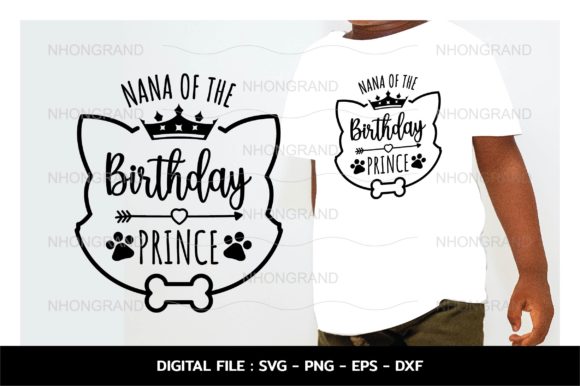
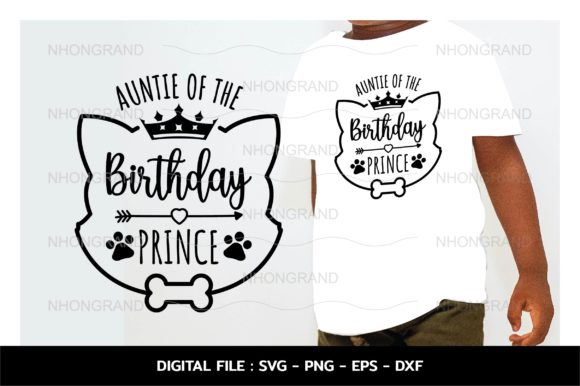
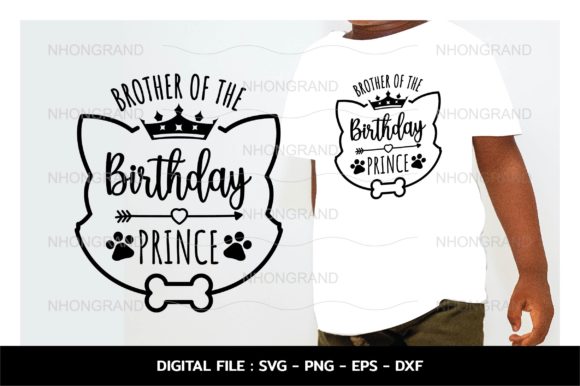
When I first opened the Brother of the Prince Birthday and Bone design files, I was looking at a graphic that immediately felt personal. It has that hand-drawn, sentimental tone that works so well for pet-themed projects. The name alone tells you this is meant for a dog who is part of a family — maybe a second dog who shares a home with a more regal sibling. The paw prints, the bone motif, the birthday context — it all points to a custom gift or product that celebrates a specific four-legged family member. As someone who has stitched hundreds of pet tribute designs, I can tell you the emotional pull here is genuine. The mood is warm, playful, and a little cheeky. It feels like something you would put on a tote bag for a dog mom or a sweatshirt for a proud pet owner. The design does not try to be fancy. It aims to be meaningful, and that is often harder to pull off than any ornate flourish.
What I like most is the footprint element. Footprints in embroidery always read clearly, even at modest sizes, and they give the design a sense of movement. The bone adds a classic dog symbol that needs no explanation. Together, they create a composition that feels balanced without being stiff. The layout is open enough that you can pair it with a name or date if you want, but it also stands well on its own. For an embroidery designer or small shop owner, that flexibility is valuable. It means the same file can serve a personalized order or a ready-made product. That is the kind of versatility that keeps your inventory from getting stale.
A Tote Bag Test and What It Told Me
I decided to test Brother of the Prince Birthday and Bone on a mid-weight canvas tote bag. Tote bags are a staple for craft businesses and Etsy sellers because they are affordable to source and easy to ship. They also give you a decent canvas size to work with. I imported the SVG into my digitizing software and converted it to an embroidery file. Since the original is a graphic design, not a native machine embroidery file, the conversion step matters. I had to check stitch direction, density, and underlay. The paw prints translated well into a combination of satin stitch and fill stitch. The bone needed a bit of adjustment — I thickened the outline slightly to make sure it would hold up after repeated washing. On the tote bag, the finished stitchout looked clean. The footprint shapes were distinct, and the bone had enough body to feel substantial. I used three thread colors: a warm cream for the bone, a soft charcoal for the paw prints, and a muted gold for a small accent star I added near the text area. The client wanted it for a birthday gift, and the result had that handmade charm that people love in custom apparel and accessories.
If you are thinking of selling finished products with this design, the tote bag is a strong candidate. It is also a good test for your digitizing skills. Because the design has open spaces between the elements, you can adjust the scale without losing clarity. I would recommend testing it on a scrap piece of fabric first, especially if you plan to stitch it on a textured fabric like linen or a heavy cotton twill. The stitch density needs to be balanced — too dense and the fabric puckers, too loose and the shapes lose definition. Once you get that balance right, the design stitches out reliably.
Where This Design Works Best
Over the years, I have learned that a design’s real value shows up when you put it on different substrates. Brother of the Prince Birthday and Bone performs well on several surfaces, but some are clearly better matches than others. Here is where I have seen it shine:
- Sweatshirts and hoodies — The medium to large scale works beautifully on the front chest or back center. The paw prints feel playful on a cozy garment.
- Baby onesies and toddler tees — At a smaller size, the design keeps its readability. Just watch your hoop size and stabilizer choice for stretchy knits.
- Embroidered patches — Because the shapes are relatively simple, this design digitizes well as a patch. You can sew it onto bags, jackets, or甚至是 dog beds.
- Pillow covers and tea towels — For home decor items, the footprint and bone motifs add a subtle pet theme without being too loud. Great for a dog-themed kitchen or nursery.
- Aprons — A dog-loving baker or grill master would appreciate this on a canvas apron. The design sits well on the chest pocket area.
- Caps and hats — This is trickier. The curved surface of a cap demands a smaller, simpler version. I would use only the bone or a single paw print to keep the stitch count manageable.
For small shop owners and Etsy sellers, the strongest product candidates are tote bags, sweatshirts, and baby items. Those categories sell consistently, and the design’s friendly personality fits the gift market well.
Places to Approach with Care
No design works everywhere, and Brother of the Prince Birthday and Bone has its limits. I always tell fellow embroiderers to be honest about where a design might struggle. Here are a few scenarios where I would use extra caution:
- Very small hoop sizes — If you are working with a 4x4 hoop, the design shrinks significantly. The paw prints can become muddled, and the bone loses its shape. I would not go smaller than 2.5 inches in height.
- Thin or delicate fabrics — Sheer cotton voile or lightweight silk will not hold the stitch density well. The design needs a stable base. Use a tear-away or cut-away stabilizer depending on your fabric.
- Stretchy knits without proper preparation — T-shirts and jersey fabrics can shift during stitching. Use a stabilizer designed for knits and consider a light interfacing. Test on a similar fabric first.
- Dark fabrics with low contrast thread — The paw prints and bone rely on clear outlines. On a black sweatshirt, use a bright thread color like white, gold, or neon pink. Avoid dark thread on dark fabric.
- Dense stitch areas in tight corners — If you try to fit the entire design into a small patch, the stitch count gets high. This can cause the fabric to pucker or the needle to break. Scale it generously.
I also want to mention that the design, being originally a graphic file, may need some manual cleanup in your digitizing software. The SVG and PNG are clean, but converting vectors to stitch files always involves decisions about stitch type, underlay, and density. Do not assume the file is production-ready out of the box. Treat the conversion as part of your creative process.
Stitching Clarity and Customer Perception
When a customer buys a handmade product or a personalized gift, they are paying for something that looks intentional. Brother of the Prince Birthday and Bone delivers that intentional feel when stitched correctly. The footprint shapes are recognizable, and the bone reads as a classic dog symbol. In my experience, pet owners are especially critical of design quality — they want the tribute to feel worthy of their animal. This design meets that bar. It is not overly cartoonish, nor is it too abstract. It hits a sweet spot that says "this is for a real dog with a real personality." That translates to higher customer satisfaction and fewer returns. For Etsy sellers and boutique operators, that means better reviews and more word-of-mouth referrals.
On the product value side, this design elevates a plain garment or accessory into a conversation piece. A customer wearing a sweatshirt with this embroidery will get asked about it. That is the kind of organic marketing that small businesses thrive on. The design also works well in printable mockups for your online shop. The PNG file with transparent background makes it easy to create realistic product previews without stitching every sample. That saves time and materials.
Practical Notes for Embroidery Designers
Before you use Brother of the Prince Birthday and Bone in a project, take a few minutes to go through this checklist. I follow it for every new design, and it has saved me from many bad stitchouts.
- Test on scrap fabric first. Use the same fabric type as your final product. Check stitchout quality, thread tension, and design stability.
- Check thread color contrast. Hold your thread spools next to the fabric. If the contrast is low, the paw prints will blend in and lose impact.
- Review stitch density. Dense areas need proper underlay. If the design feels too heavy, reduce density or switch to a fill stitch with a lower count.
- Confirm hoop size. Make sure the design fits comfortably within your hoop. Leave at least half an inch of margin around the edges for stabilizer.
- Inspect small details. The bone and paw prints should have clean edges. If your digitizing software shows jagged paths, smooth them out before stitching.
- Test in black and white mockups. A grayscale preview can reveal layout imbalances that color hides. Use it to check spacing and scale.
- Compare light and dark fabric backgrounds. The design should read clearly on both. Adjust thread color or add a subtle outline if needed.
- Use proper stabilizer. For woven fabrics, a medium tear-away works. For knits, use a cut-away stabilizer to prevent stretching.
- Verify licensing. Before selling finished products or using the design commercially, confirm the license terms. The product page lists Crafts and Graphics as the category and type, but you need to check whether commercial use is allowed for physical products or digital sales.
One more thing: do not skip the step of checking the design in your actual machine. Run a small test stitchout before you commit to a full production run. This is especially important if you are working with a new thread brand or a recently calibrated machine. Small adjustments at this stage can make the difference between a product that looks professional and one that looks homemade in a less flattering way.
Final Thoughts on This Design for Your Shop
Brother of the Prince Birthday and Bone is a solid addition to any craft business or embroidery project lineup. It fills a specific niche — the pet birthday gift market — and it does so without overcomplicating the visuals. For machine embroidery designers, it offers a clean conversion experience if you take the time to adjust stitch settings. For Etsy sellers and small shop owners, it gives you a product that resonates emotionally with buyers. For hobbyists, it is a fun weekend project that results in a gift people will actually use.
I have stitched it on a tote bag, a sweatshirt, and a baby onesie. Each version had its own personality, but all three felt cohesive because the core design is strong. If you are looking for a new design asset that can move across multiple product lines, this one is worth your time. Just remember to treat the conversion seriously, test thoroughly, and always keep the end user in mind. That is the difference between a design that sits in a folder and one that sells.